

By Ross Grossman, MA, BFA, LMFT — psychotherapist and support group coach with over 20 years of clinical experience.
Attention Deficit Hyperactivity Disorder (ADHD) is a complex neurodevelopmental disorder that often goes unrecognized, especially in adults and more so among women. The nuanced ways ADHD manifests in women frequently result in it being overlooked, misunderstood, or incorrectly diagnosed.
Diverse Symptoms in Women
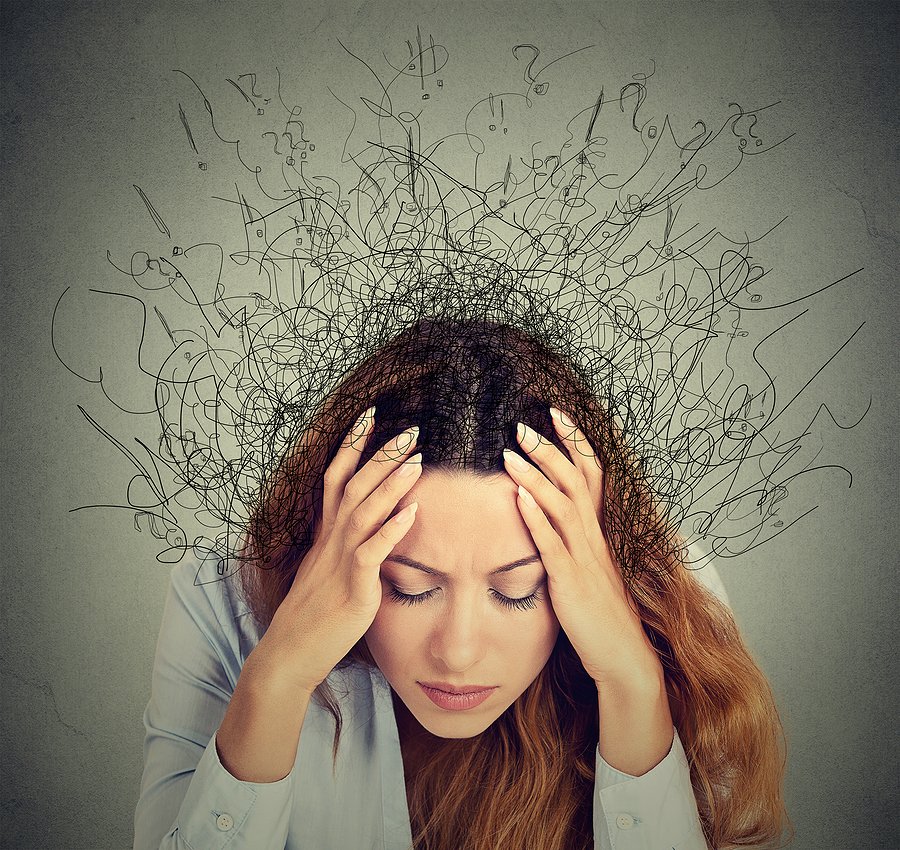
The symptoms of ADHD in women may diverge from the stereotypical expectations. Rather than displaying noticeable hyperactivity, many women with ADHD contend with a persistent inner turmoil and an inability to focus. They might also face hurdles with executive functions, making everyday tasks feel insurmountable.
Societal Expectations and ADHD
Societal norms often dictate that women should excel in organizational tasks and juggle multiple responsibilities seamlessly. For women grappling with ADHD, these expectations can feel unattainable, yet the pressure to conform to these roles does not accurately reflect their true potential. The battle with these societal standards is usually a silent one, hidden from the view of peers and medical professionals alike.
The Role of Hormones in ADHD
Hormonal fluctuations play a significant role in the expression of ADHD symptoms in women. Changes during the menstrual cycle, as well as pivotal life stages like puberty, pregnancy, and menopause, can significantly alter symptom severity. Understanding the interplay between hormones and ADHD symptoms is crucial for developing tailored treatment plans that accommodate these shifts.
Navigating Diagnosis and Misdiagnosis
Achieving an accurate ADHD diagnosis is often a winding path for many women, fraught with misdiagnoses. Traditional diagnostic frameworks, which lean heavily on data from male-centric studies, may not fully encompass the breadth of symptoms experienced by women. This discrepancy raises the risk of women being inaccurately diagnosed with conditions such as depression or anxiety, leading to treatments that do not address their ADHD.
Consequences of Neglecting ADHD
Leaving ADHD undiagnosed or untreated can profoundly affect various facets of a woman’s life, from personal relationships to career progression, fostering a sense of failure and diminished self-worth. Yet, it’s important to recognize the strengths women with ADHD possess, including resilience and creativity. Without proper support, however, some may face more severe challenges, including substance abuse or eating disorders.
Championing Neurodiversity
Promoting awareness and understanding of ADHD’s manifestation in women is essential for fostering a society that values neurodiversity. Through education, advocacy, and ongoing research, we can ensure that all individuals with ADHD receive the recognition and support they deserve. It’s through continued dialogue and community backing that we can build a nurturing environment for women affected by ADHD.
As we strive to illuminate the unique challenges and strengths of women with ADHD, it’s crucial to seek and provide support tailored to their experiences. Ross Grossman is dedicated to understanding and addressing the specific needs of women with ADHD, offering a pathway to not just coping, but thriving. If you or someone you know is navigating the complexities of ADHD, reach out to explore how personalized support can make a difference. Together, we can turn challenges into opportunities for growth and fulfillment.
By Ross Grossman, MA, BFA, LMFT.
His professional background includes helping clients with anxiety, worry, stress, frustration, procrastination, substance abuse, and relationship challenges. He also leads groups focused on accountability, behavior change, and getting unstuck.